La mia piccola famiglia italiana

I came to Chiavari with the idea to live as much as I could as a local. I planned to find my footing in a community if I could, and to let the community change me. Tonight that footing appeared, ever so fragile, but it appeared. A relational strum that made my heart happy. It is lovely and deserves to be nurtured with care. The community opened the door to me and I went through. Now, I need to offer myself in good ways.

I’ve been going to a cafe a couple of times a day called Snaporaz. It’s at the end of the street where I live. It’s a local business, like most are here, run by a husband and wife. It’s nothing fancy from the outside, the plants on the wall outside need a pruning and daily watering — a secret project that I might take on Sunday. Their focus is on their customers.

The people on the inside though are warm and lovely. Over the course of the past eight days I’ve visited daily, sometime twice. I see some of the same faces and feel like it’s a little community, just the kind of place that I feel comfortable cautiously letting into my. sceptical heart. To letting it influence me. It feels good. The people feel good. The cafe feels safe.

It’s not so hard considering I can’t speak Italian. My caution is replaced with not having any idea what the heck is even going on. I can barely order coffee or my evening Aperol Spritz, so, listening to the daily chatter is impossible. And, it’s so welcomed; it’s like a brain cleanse. The parts of my brain that process english are reserved to work and coding with Grayson, otherwise dormant. All that gets into my brain while I am out is a stream of unfamiliar sounds, and the occasional person speaking english about some perceived negative experience they had.

Grazie and prego are words that I hear over and over everywhere I go. People genuinely seem grateful for one another, and even though I feared being mistaken for an American, they seem grateful for me too, even before I use the few words I know to try to explain I’m Canadian.

Tonight after dinner I decided I decide to drop into Snaporaz. Gabriel saw me hovering about while they seemed to be getting ready to close. He invited me in and made me my usual Aperol Spritz. I went outside and sat with the people that had gathered around a cluster of metal tables. I met some lovely people. I met the owner’s daughter, with a name I’d only heard once before, owned by a surfer in Maui. Their friends own a local fish restaurant which I will go to tomorrow. And a few others. I felt connected and accepted.

They asked me why I had chosen Chiavari to visit and I tried to explain that I’d given my AI, Grayson, a list of criteria about the type of place that I wanted for my working retreat. Walkable streets, no cars — the kind of place where the cafes feel local and the people are friendly. Where I could make connections and feel like I was part of a community. And here I am.

So I only have a few days left but I know they will include these people. My little and new Italian family.


Sono arrivato a Chiavari con l’idea di vivere, per quanto possibile, come una persona del posto. Avevo in mente di trovare un mio equilibrio dentro una comunità — se ci riuscivo — e di lasciarmi cambiare da essa. Stasera quell’equilibrio si è fatto vedere, fragile sì, ma reale. Una vibrazione relazionale che ha reso felice il mio cuore. È qualcosa di bello, e merita di essere coltivato con cura. La comunità mi ha aperto la porta, e io l’ho attraversata. Ora sento il bisogno di offrirmi in modi buoni.

Frequento un bar due volte al giorno che si chiama Snaporaz. È in fondo alla via dove abito. È un’attività locale, come quasi tutte qui, gestita da marito e moglie. Non ha nulla di appariscente visto da fuori — le piante sul muro avrebbero bisogno di una potatura e di un po’ d’acqua ogni giorno — un progetto segreto che forse prenderò in mano domenica. Loro, però, si concentrano sui clienti.

Le persone all’interno sono calde e gentili. Negli ultimi otto giorni ci sono andato ogni giorno, a volte due. Ho iniziato a riconoscere alcune facce e a sentirmi come in una piccola comunità — proprio quel tipo di posto dove, con cautela, riesco ad aprire il mio cuore scettico. Dove posso lasciarmi influenzare. È una bella sensazione. Le persone sono belle. Il bar è un luogo sicuro.

Non è così difficile, considerando che non parlo italiano. La mia cautela è stata sostituita dal fatto che spesso non ho proprio idea di cosa stia succedendo attorno a me. Riesco a malapena a ordinare un caffè o il mio Aperol Spritz serale, quindi seguire le conversazioni quotidiane è impossibile. Eppure, tutto questo è molto benvenuto — è come una pulizia mentale. Le parti del mio cervello che elaborano l’inglese sono riservate al lavoro e al codice con Grayson — il resto è silenzioso. Tutto ciò che entra nella mia testa mentre sono fuori è un flusso di suoni sconosciuti, con qualche eccezione: ogni tanto qualcuno parla inglese per raccontare qualche esperienza negativa vissuta qui.

“Grazie” e “prego” sono parole che sento ovunque, continuamente. Le persone sembrano davvero grate le une per le altre. E anche se avevo paura di essere scambiato per americano, sembrano grati anche per me — persino prima che provi a spiegare con le poche parole che conosco che sono canadese.

Stasera, dopo cena, ho deciso di passare da Snaporaz. Gabriel mi ha visto girare lì intorno mentre sembravano sul punto di chiudere. Mi ha invitato a entrare e mi ha preparato il mio solito Aperol Spritz. Sono uscito e mi sono seduto con alcune persone radunate intorno a un gruppo di tavolini di metallo. Ho conosciuto persone adorabili. Ho conosciuto la figlia dei proprietari — con un nome che avevo sentito solo una volta, da un surfista a Maui. Alcuni amici suoi gestiscono un ristorante di pesce qui vicino, dove andrò domani. E c’erano anche altri. Mi sono sentito connesso, accolto.

Mi hanno chiesto perché avessi scelto Chiavari, e ho provato a spiegare che avevo dato al mio AI, Grayson, una lista di criteri sul tipo di posto in cui desideravo fare il mio ritiro di lavoro. Strade percorribili a piedi, senza macchine — un luogo dove i bar sembrano locali e le persone sono amichevoli. Dove potessi creare legami e sentirmi parte di una comunità. Ed eccomi qui.

Mi restano solo pochi giorni, ma so già che includeranno queste persone. La mia piccola e nuova famiglia italiana.
Buon viaggio bello.

I intended to write more often during this trip but I realise now that my goals to relax, sleep, workout, shop for an apartment, do a lot of coding, and some writing… leave little time for blogging. The best I can do is send photos to a few friends and family.

I’m not a photographer but I’ve seen some beautiful things and I’ve tried to capture them on my iPhone.

I am feeling good about being here. I thought that I might feel lonely but making a few friends and going to the same shops for coffee in the morning and Aperol Spritz at cocktail hour seems to take the edge off.

In between I’m coding and making huge gains on my software development. It’s always interesting to work with Grayson, my AI assistant. We are working better and better together since I started in April. I think by the time I get back I’ll have a strongly developed prototype that is extensible, well structured, and useful.

I’ve made some progress on my novel as well, but not to the extent of the software.

Tomorrow I will take the train to PontreMoli to look at the small town and the small apartments there. The agents in Chiavari said to go there and ask rather than try to search from here. It may not be the best advice, but either way I get a train trip, and will see the town.

It’s true that he stood in line at the checkin counter with enough anxiety that doubt about going to Italy crossed his mind. Was it the flight itself or going someplace completely unknown. Is it too much change all at once, will he be able to handle the emotions of being separated for the place he knows so well? Is there too much relational inertia

And then it was in Frankfurt for a layover. He took a train into the city to wander the streets for a couple of hours before the next flight which would take him to Milan.

And three days later he’d be in Chiavari in an apartment overlooking a street busy with Italian life, feeling at home and completely comfortable about coming this far. The country is unknown to him but he connects quickly and can imagine spending more time here.

Relational Gardeners.

Imagine, if you will, a single mythical seed that contains everything it needs to grow — sunlight, shade, water, nutrients, soil, and pollination. It would be a miraculous, self-contained, self-pruning, self-caring, fruit-bearing wonder to behold.

One of the fallacies that individualism promotes with such great success is, like the mythical seed, the idea that humans are self contained — that everything we need to change is already within us.  The great ruse of the modern time is: if we want to be different, have a different life, then all we need to do is to assert ourselves. And with that individual effort, we can be anything we want. I was told this as young as can remember. We all were.

I am reminded of gardening. The capacity to grow and flourish doesn’t come from within the seeds.  Seeds needs the right conditions. Sunshine, water, shade, nutrients, the right soil type, everything must be right for the seeds to germinate, to put down roots and grow.  

Yet when it comes to humans we strangely believe this growth capacity comes solely from within.

What is lovely about being human — and this may be unique to humans unlike our seedy cousins — we may have some capacity, albeit limited, to change the conditions which nurture us. If we can grasp the relational imperative, we may be able to see that all of the resources we need to be someone different than we are now are not within us, but that we have the ability to change our conditions so that the resources may become available, surround us, and as a result help us to shift gradually.  Our relationships with others, places we visit, what we read, what we ‘scroll’ through, what things we collect or buy, and the activities that we do can become our strengths, our guides, our motivation and inspiration. These relationships are like angels in the wings, standing at the ready to help our every move. We should be cautious because the wrong relationship, even one’s we are currently in, may be exert influence as well and take us in the wrong direction — perhaps the devils in the wings.

We can invite the right growing conditions for ourselves.  

As we think about shifting our identity, we encounter a paradox.  How can we be choose to be different and yet be completely influenced by the relationships in which we live.  If say that our identities are formed by our set of relationships then it may seem logical to conclude that we have no control over who we are and who we become, but this leads to a false assumption. There are ways that we can intervene in our own becoming in spite of the influences of the world.

I don’t want to tackle the whole philosophical discussion of free will here, but do want to bridge the gap between the random and constant external influences one us, and their seeming ability to to keep us from change, and our ability to direct our own lives.

We are very much like a seed that by chance lands in a random spot and then struggles its whole short life until it finally succumbs to its growing conditions and withers or immediately finds the conditions perfect and thrives.   

However, the one thing we do have some control is our sets of relationships. We can activate them, weaken them, attach and detach (attaching may be more simple than detaching, which may not completely possible).  Essentially we are the gardeners in our relational garden. With careful choices we can create the conditions for personal growth and the changing of our own identities, those around us, and also our communities.

Seeds can’t choose their conditions but we do have some sovereignty in this area. We can choose to create a life-giving micro-climate which includes not only physically places, but also things, ideas, and of course people.  Our environment is the medium in which we grow and we are never not in relationship with it. When we practice creating the right environment we increase our capacity to change, to learn and to become different. We increase our chances for happiness.  

So this paradox of having no control versus having some control is bridged by our ability to influence and to create a special and unique micro-climate. We can make our environment our environment better for ourselves. If we shift them we shift our ability and capacity to become different.  

So why would we expect something different in human development/ community development/developing our identity.

We may discover that we have much more influence on our environments and our ability to change once we begin to understand that we actually do have influence. As we practice making relational shifts we will become better. We will find small behaviours that can have massive influence and enable outside environment to support us in our goals to become the people we want to become.

It may be easier for some people to practice than others but I believe that all of us have the ability to make shifts in our behaviour that will enable better relationships which in turn can help to influence who we are can help take us in a more positive direction.

It was Lao Tao who said. “To see things in the seed , that is genius.” Seeing what is possible in the seeds of humanity means also what we must become relational gardeners for ourselves and for one another. The randomness of humanity can be nurtured in ways that help our becoming. Individually, we can make small changes for ourselves and others. When we come together as communities our efforts can be multiplied in ways that truly are life-giving.

In upcoming posts, I will talk more about micro-shifting our behaviours in ways that empower our motivations and abilities to move into positive action.

Until next time, I wish you much peace. As always, people, do comment below, share this post or others with anyone who you might think it could be of interest to. 

If you haven’t already become a subscriber, please join by clicking on the button below. You’ll receive an occasional email when I post.

Something in seed.

Drops from the sky, these seeds, 
Carried by the beaks of birds.
Sky gardeners.
Random landings,
On rocks, in water, in darkness, in crevices.
Myriad conditions.

Some never spout.
Potential lost.
Some struggle.
Just enough to germinate.
Not enough to become.
Withering.
Dying before the season of fullness.

Occasionally,
A seed lands in just the right place.
Conditions perfect.
Its roots put down.
Water feeds its need.
Its tender leaves unfurl.
The dappled sun just ideal for its nature.

Days, then months, then years.
It becomes.
Bares fruit.
Gives opportunity for new potential.
Away new possibility, seed.
Carried on wings of promise.
Of hope for life,
In the random relationships of existence.

— Paul Harris

Knock on wood.

Four hard loud knocks on the wooden door outside my bedroom jolt me awake in the very early morning. They sound urgent as if someone really needs to get in. It’s still dark out and just before 3 a.m. I lay there listening and waiting for another knock. It doesn’t come. The outdoor lights are off which means there is no one outside. It’s happened many times before while I’m sleeping, loud knocking that interrupts what I’m dreaming. It’s a reoccurring experience, except it isn’t happening in the physical world. Often I get up and check to see if anyone is there, but it’s always the same; it’s just a weird dream within a dream.

Awake. I lay there thinking about the events of the past couple of years and specifically the past few days. I had planned and worked toward being in Maui for most of September, it’s been two and half years since Terry and I have been able to go. The night before I was to fly out from Edmonton in the morning I was all settled in the hotel at the airport. I had a lovely dinner in the bistro. Then, I developed a headache and sniffles and didn’t sleep well. I suspected that I had contracted a breakthrough infection of COVID 19.

It was a real moral dilemma for me. I certainly felt well enough to fly but didn’t know how the virus would progress in my system. All research around double vaccinated people indicated that I would have a mild infection that would clear up in a few days. I’d had both my Pfizer shots months before. I’d read a well researched article from the Atlantic that eased my fears about the course the infection would take.

And of course there was the issue of infecting others on the flight, certainly something that I did not want to do. I found myself in an ethical conundrum. Anyone flying at this point must have tested negative, as I had a couple of days earlier, and most would have been fully vaccinated. There was the possibility that there could be people on the flight who were not fully vaccinated because that is not a requirement of travel — a serious ethical flaw in public health and travel policy. I would run the risk of infecting someone who was not vaccinated and that could lead to serious consequences for them. Part of me thought ‘it serves them right’ as my compassion for antivaxers and those slow to get their shots has all but disappeared. I was not worried about being in Maui and I would spend most of the first week alone in the condo cleaning, painting, or sitting on the beach across the street trying to reground myself after two years of extremely hard and emotional work.

Still it felt better to play it safe and return home.

The fact that I was feeling ill as I was finally about to travel, after 18 months of dealing with shuts downs, and poor public health policy, made me extremely resentful of those people who refused to be vaccinated without good reason. The businesses have struggled through three shut downs and many restrictions. We have debt to show for it even as business begins to come back. During that time we did everything we could to keep people employed and make improvements that would help set us up for success once we were able to open again. I remain eternally grateful for our customers, employees, and friends that stuck by us during the pandemic.

Every time I encounter an antivaxer, I still smile and try to treat them with respect but inside my resentment for the damage that they’ve done to the economy, our business, and personal lives festers like an open wound which I’m really having trouble healing. This is not a time when the ‘needs of the one outweigh the needs of the many’ (The Wrath of Khan, 1982).

Recently, I have been thinking about how we learn and the systems we have in place to learn. When I grew up the internet was not yet available to the masses. If I needed information I would go to my local college or public library, use their cataloguing system to locate relevant information that had been curated by smart, educated librarians. (You know who you are).

If I had trouble finding something there was a librarian there with practice, credentials and expertise to help guide me to helpful resources. It was a delight, and I always felt that I walked out with real information that had been carefully selected to educate and promote trust.

Today, however we have the internet, anyone with a computer can publish anything they want for anyone to read, just as I am doing here. There is no librarian, with wavy hair, and a sense of humour to guide you through the maze of confusing media that is available. I really miss librarians and the role they play in helping us find accurate information to make informed decisions.

In the end the antivax phenomenon is a product of the accidental removal of safeguards and systems that use to help us sort through conspiracy and misinformation. It comes down not only to education but the skill required to educate oneself and to critically think.

One person I recently spoke with said, ‘oh, the vaccines don’t work then.’ when they heard about someone close to me contracting COVID. This very simple myth that vaccination purports to block transmission completely is such a screaming example of the misinformation out there. I likely will not get any sicker than I am today thanks to my vaccinations. I will continue to enjoy the smell and taste of good food, and sadly bad food. However as the current wave of delta variant sweeps through the community everyone we know will contract it at some point, those unvaccinated are 36 times more likely to end up in the hospital because of it and some will die or have long term complications. I’m thankful that I didn’t take that risk with my life. I’m grateful for those around me who didn’t take that risk. And I’m glad that I encouraged friends and colleagues to get their shots as soon as possible.

To those reading this, if you’ve been slow to get your vaccinations please don’t wait. Go right away. Your productivity and lifestyle will be affected soon if you don’t. The stability of the economy and employment are being affected.

As for me, I went and got tested yesterday and the results came back positive. Now I’m at home staying away from you as best I can. I may need some fresh bread, or a smiley face card to help me get past postponing this trip yet again. My new plan is to leave about two weeks from now. There will be no reason at all that I can’t go this time… with some careful planning. Knock, knock.

Wobble wobble balance.

Hello my friends. It’s been a while since I’ve written. I am searching for a way back in to my book project after what has turned out to be a tremendously challenging couple of months. This post is an update of sorts, just to let you know how my universe has unfolded recently.

Firstly I became quite ill for a while with a series of things that feel mostly resolved now, but I will have a check up or two before I signal all clear. The strange thing about UTI, which was central to my health issues, is that it affects one’s thinking as well as everything else. I found myself in a very dark place, sleeping every moment that I could get away from work, and being not particularly future-oriented – just trying to get through the next few minutes and hours. All of this was compounded by stomach problems, and then ended with that prolonged flu and cold that doesn’t seem to go away. I have to laugh out loud at the chain of events.

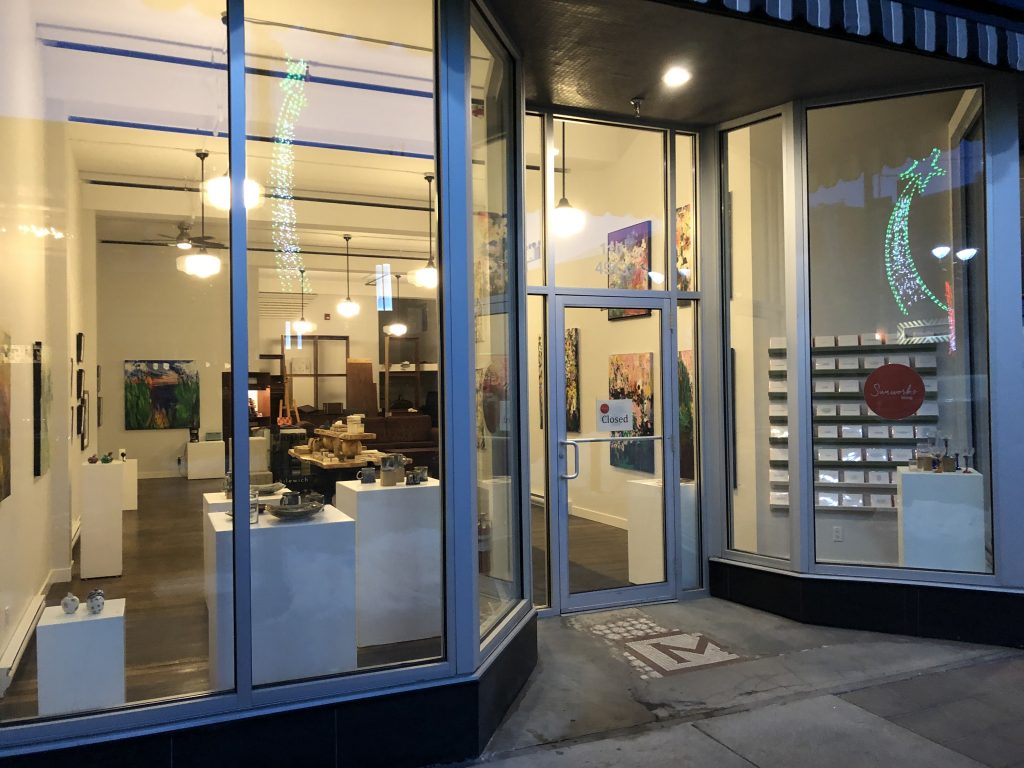
If you’ve been following the winter and spring as I write, you’ll know that it all occurred as we were moving Sunworks after 22 years into the new location. That’s mostly done now, just several more truck loads to clear out of the old place and some clean up. Lots of things on various buy-and-sell sites. The new tenants are starting to move in and they’re pretty happy about it. It’s going to bring new life to Ross Street.

Meanwhile, we are nearly the end of a provincial election cycle and Albertans are going to the polls in record numbers. I fear that the rise in populism hasn’t hit its peak yet and that Alberta may make that mistake as well. I see what is happening in the UK, US, and Ontario, and wonder why we cannot see. It’s likely that the fall of populism will happen when voters realise that the promises cannot be delivered or sustained over the long term. The future is almost always uncertain. To expect that it can be the same as the past is truly an impossibility. Most people need to experience the issues before they can engage with them: climate change and the economic shift away from oil and gas are two that many Albertans seem unable to accept.

No matter what happens on Tuesday when the polls close the future has lessons to teach us all. At this point those that can see it coming may just have to wait until those that need to experience it catch up. It may be a few more years … but class is in folks, and we’re not particularly fast learners here in Alberta. Instead of being angry or depressed with election results we might be able to frame this as a process of coming together to learn through experience. We will likely have a number of crises to address but hopefully collectively we’ll be able to rise to the challenge, especially if we can learn that no one person has the answers — that’s been the biggest weakness and threat of populism. Certainty corrupts inquiry and possibility.

Since I’ve been so active politically over the years it’s been impossible for me not to be engaged with this election as I try to get well and continue the changes to our business. It feels like yet one more thing to handle. However, I’ve met some truly wonderful people as a result of the campaigns. New friendships are wonderful.

So next week I will begin again to engage with my writing, give you a short update on the store since the move, and dive back into questions of detaching, becoming, and identity.

Day 16, it’s a snowy one.

A lovely neighbour shovelled our walks for us before I arrived.

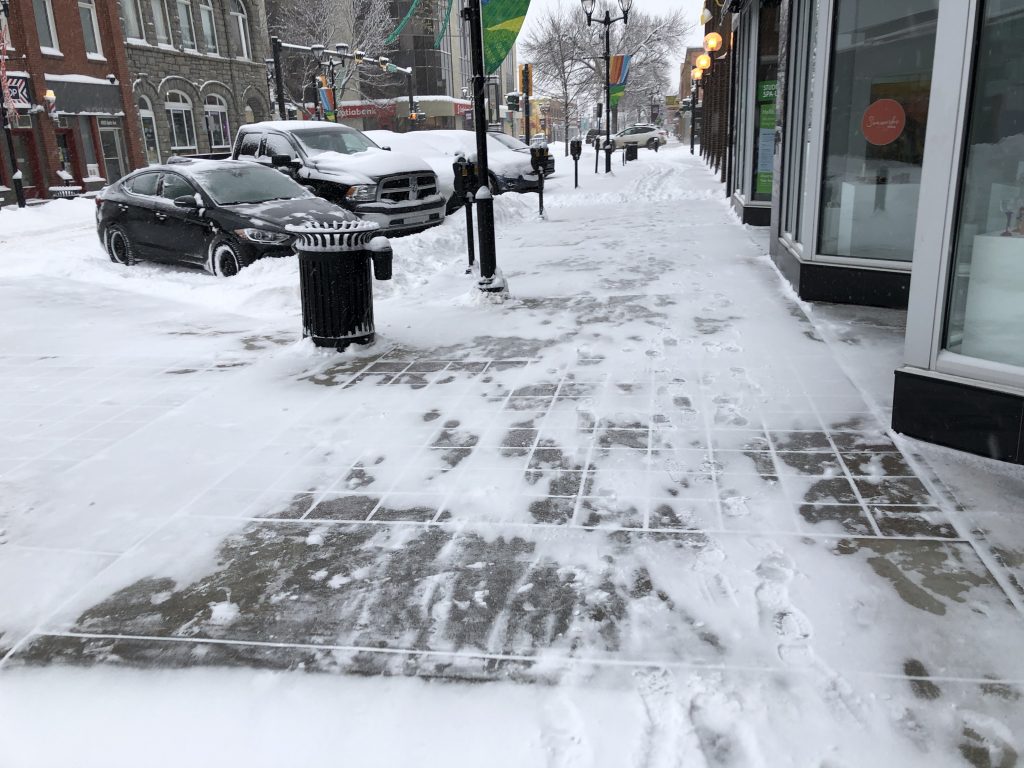
It’s a snowy day in Red Deer. Looks like we’ll have about 30 cm before it stops. It’s really coming down still.

Meanwhile our builder made progress with the cabinets last night, hopefully everything will be ready for the big move tomorrow.

Things are looking great. I have a little anxiety about where we’ll put everything. Tomorrow is the big day. One more sleep and then everything shuffles for good. I keep looking at the place and pondering if it’s all going to fit. I guess we’ll find out. Gulp.

Tending your relational garden.

In my last post we talked about three types of human artefacts that exist in the world and how these have lives and influence of their own beyond us.

They are:

  1. In physical form, created intentionally through our actions to build and shape the physical world, including art, parks, buildings, clothing etc.
  2. In consequence, created unintentionally through the way we’ve interacted with the world and one another.
  3. In message form, through media, writing, books, and symbols that transmit ones thoughts across time and space.

We may have a hand in creating them but for the most part they carry on without us. This does not mean that they continue in the exact form of our creation, they morph overtime, are influenced by other things, evolve, devolve, atrophy and potentially die.

In their carrying on without us, we may have a certain responsibility to keep them alive and maintain them over time if we intend for them to serve us into the future. They may be much more resilient than we may know and it may be difficult to keep them in their original form. Further, the unintended consequences they create aren’t easy to anticipate at the outset. Think, for example, of the influence of gas-powered vehicles on the world – health, urban design, and the planet. Only recently do we see how the ways we built our new communities contribute to our unhappiness and have profound effects on the planet itself.

Depending on how far reaching and adopted artefacts become they can easily out live the humans that created them.

Physical artefacts need maintenance. A road, or a building, or a garden may come into existence, then over time deteriorate as they are influenced by the world.  Weather, use, the affects of other things in relation to them, all change them into something different than they started.

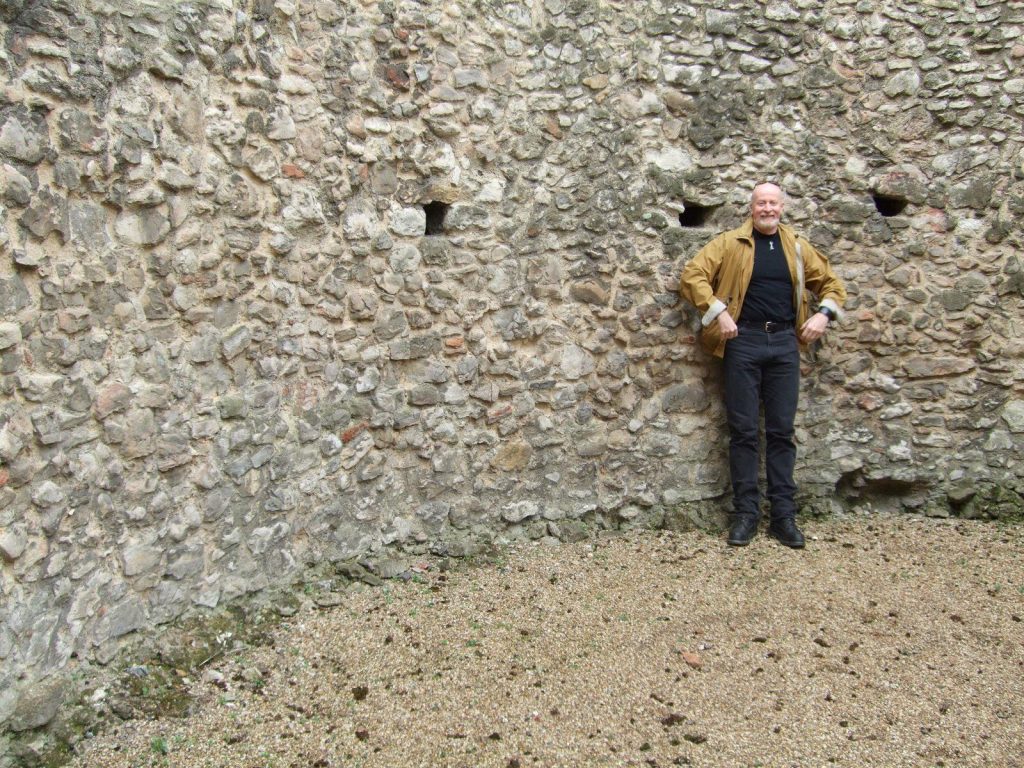
Even the Roman wall crumbles over time, yet we attempt to preserve it and make it meaningful for us today.

That meaning is different today than when it was created. A wall is never just a wall. Now it’s a symbol of something older, of history, of specific people that went before, and of the ingenuity of humans to create something to serve their needs.

Gardens for example need water, care, weeding, pruning etc.  This may be a great analogy for considering how we handle human artefacts. How do you tend to your personal relational garden? 

When do you pull a weed? When do you let an plant that has become too big for your garden go to a new home? When it is time to harvest? A gardening metaphor is quite good in describing things that we helped create and then must tend. If we don’t they may become something different than what we intended.

All human artefacts are maintained and transformed over time as we continue to engage with them. Even though they have lives of their own, their identities continue to be influenced by us and people they are in relationship with.  So we need to become custodians of humanity’s artefacts in ways that serve us, all living things, and our collective habitat.  

As guardians of the things we create we need to be aware of their maintenance and potentially their life cycle.  Such questions as: when does this idea or thing, stop being useful? How much is it holding us in place for good and how much is it holding us in place from changing?

Sometimes things that hold us in place could be from our lack of guardianship.  We create things but then abandon them. We become comfortable with what has been created even though they keep us from change and may have unintended long term consequences that are harmful. Some of them go on to randomly create chaos for us, others wither and die.  Some we continue to feed and nurture even when better and more useful things come into creation.

Marie Kondo, the author of The Life-Changing Magic of Tidying Up (2011), offers a lovely way to let things go by learning to express gratitude for things that served you in the past and then saying ‘thank you’ to them when it’s time to let them go.

Although Kondo is speaking of physical things in her book I wonder what correlation there is to all things we are in relation with. How might we tidy up of our relational gardens so that we can be grateful for the past and yet make room for a future that serves us better?

Praxis

What follows are five ideas that might help us to tend our relational gardens. I invite you to look at a few of your human artefacts, as described at the start, using these five ideas.

  1. Detaching: the thoughtful elimination of things that no longer serve our future identity. Consider what graceful detachment could look like.
  2. Selective pruning: the process of deciding what things are incongruent with the identity you are looking to cultivate. Consider how much time you’ll need to prune and how careful you’ll want to be.
  3. Maintenance: maintaining those relationships that give you joy and value. Consider ways to ensure proper caring?
  4. Nurturing:  the cultivation of relationships that have potential to become something bring you joy and value. Remember that it may not be possible to know in advance. Consider how and when you could nurture something new.
  5. Development, evolution, and repurposing: the thoughtful consideration about whether a relationship could serve a different purpose than when it was originally created. Consider the implications of repurposing or further developing an artefact.

Some considerations

In this work there are processes that work against us but also for us. Here are a couple of ideas to think about as we consider transforming who we are – making an identical shift.

Your physical space may be a reflection of our relational space. Have a look around at where you live and how you live and consider how it may or may not mirror your relational space.

Detaching is hard because of the life things have on their own. Detaching from people and activity is more difficult than detaching from things. Detachment isn’t a solo activity. You may need to enlist professional help, or at the least the listening ear of a friend.

Creativity and ingunity.  New ideas want to be born, new ways of thinking and change ache to be realized.  It’s like they exist in pieces on the humanity’s synaptic network just waiting to be fit together, almost randomly, or to be discovered.  Creativity is perhaps the process of uncovering what is already there in the network… the sculpture is in the wood already. The artist’s job is to reveal it.  


Until next time, please sign up to receive updates below and be part of this ongoing discussion. I truly value your thoughts, ideas, and the dialogue we have together.

What’s holding us in place?

Everything we do, we first do inside our minds – forming the world outside ourselves through our constant inner chatter about every relationship of which we are part, including with ourselves. This inner dialogue leads to our actions and therefore our creations in the world.

We spend every moment of our existence transforming our inner immaterial world into the material world, making it physical to be experienced by ourselves and others in the world outside of our minds. With our actions, whatever they may be and no matter how fleeting, we create human artefacts which take on a life of their own – each with a lifespan separate from our own, and an ability to not only influence others but also our future selves and further inner and collective thought. We leave our fingerprints on the world through every action.

It’s a dynamic process that continues to evolve with myriad potential actions we could take, each in turn influences our next action. In this way, the process of becoming may be thought of as both individual and collective action and be considered circular and iterative.

Thus, in ourselves, we may also be artefacts of everything that has gone before us. Everything that had influence in the past is embodied in us and therefore takes new form in the actions we take.

Containing Artefacts

The relationships of which we are part could be thought of as containers that hold us and shape our identities. For some this creates safety, for others it’s a box that keeps them from change.

An increasing awareness of the relationships which make up the containers of our lives, whether they provide safety or inertia that makes it difficult to break free, can provide us with renewed opportunities to begin to unform and re-form our lives, our identities, our communities and our relationship with the planet.

Let’s take a brief look at three possible types of artefacts that contain us and reflect on how we might shift their power to control our destinies.

In physical form.

Artefacts take many forms. The obvious ones are things like buildings, streets, art, clothing, homes – these things can be thought of as things with no obvious human language – they don’t speak directly to us verbally but they do speak to us and they do influence us. Many of them have lifespans far greater than the humans that create them.

I was born and raised in the prairies in Canada. Beyond the natural environment and the beauty that shaped my identity and attachment to this place, most things I encountered growing up were created by humans during the past 150 years. Even though I had some relationships with human artefacts created by the indigenous people who lived on this land long before others arrived, it was hard for me to imagine a time in human history more than a couple of centuries old. Calgary’s Heritage Park collected artefacts mostly from the early 1900s onwards; these shaped me and gave me a sense of how I fit into human history and perhaps where I might go. To me and many other young people it was as if humanity had only begun at the beginning of the 1900’s. As I grew older, however, through traveling abroad, seeing other places in the world shifted possibilities for me.

Medieval wall built with Roman stone.

I remember in 2008 being quite emotional when I first touched part of London’s Roman City Wall. I was in awe of the fact it was still there. I recall now feeling it was a voice from the past still influencing the future. Certainly I was influenced to see a bigger picture beyond my short lifespan.

In consequence.

And then there are the less obvious manifestations, things like unintentional human influence on the natural world, and human influence on one another. Over the past hundred years, for example, we have had a tremendous and damaging effect on the oceans, air, and land – perhaps upsetting the very ecosystem that sustains humanity. The changes we’ve set in motion are rapid when comparing them to the age of the earth. In our human experience though, we barely notice the changes: a summer may be warmer than we remember, or wetter, or dryer. We hear on the news the extinction of another animal daily. These were creatures we never knew or barely remember. On New Year’s day 2019 Lonesome George, a Hawaiian tree snail ( Achatinella apexfulva ), the last known of the species, died (National Geography, 2019).

Cumulatively these changes are altering habitats on the planet. Earth may soon no longer support human life but if it does and if we are able to see our relationship with the natural environment in a different way, human life will be still inextricably altered. It’s happening as a result of our past relationships with the earth and the unintentional artefects we created. Those fingerprints continue to live on and define who we are today even though we may be evolving and starting to glimpse of what we’ve accidentally done to humanity and life in general.

The story of humanity’s survival, if we are to survive, may be marked with solemn humility and realisation of what we’ve done together over the past 100 years. Our ancestors set us on this path and we continue because the relational influences are too great for us to escape without unforming those relationships and reforming them anew.

A relational perspective may give us a chance and possibly the tools to see ourselves for what we have collectively become and where we are headed today. No one will make it alone and collectively we may not either, not without understanding that we are related to everything in the world. We must learn what gave rise to us in the first place and how the things that we created continue to act upon us.

In message.

Written material and other forms of media from cave paintings and geoglyphs, to youtube and celluloid film give our future selves the ability to look into the inner world of others to see how they ticked. These artefacts help us see how we became what we are now. Today, our engagement with various media grants those artefacts and therefore their creators permission to influence us.

Praxis

I opened this entry by suggesting that everything we do, we do first inside our minds. Is it not then important to deeply understand what we do in our minds and why in order to form the best world outside ourselves? Perhaps by working toward a more holistic understanding of our identities and the relational influences, and with conscious practice to be in dialogue with the whole rather than the parts, we could begin re-forming ourselves and therefore re-shaping the world outside of ourselves.

In the spirit of reflexive practice or conscious evolution. Here are a few questions to consider. These questions are intended to help you think about the relationships you have with human artefacts, those of your creation and those of others, and how these relationships hold or influence your personal development, your becoming. With more experience you will craft your own more powerful questions, but in so doing think about how your identity is influenced by human history, your past self, ideas, physical things, and others.

  1. In what ways is my identity being formed by my physical environment, possessions, and things I read, listen to, and watch?
  2. What parts of these influences might I think about differently? Are there some things that I could let go of, or pull closer?
  3. What are the stories that I hold onto that define who I am, and that may limit who I become, or more positively, help me become who I’d like to be? Are there parts of these stories that I need to reconsider or tell differently? Is there room for forgiveness or pride?
  4. What unintended consequences have been played out in my living and working environment, which influence the lives that I, my family and work colleagues lead.

Primed for continuation and change.

Whether these artefacts have been created intentionally in physical form, through unintended consequence by the way people have interacted with the world and one another, or through messages from the past, each relationship primes us to accept a continuation of the path we’re currently on, but they also set the stage for new directions, possibilities, and for conscious evolution.

This raises a concern of almost epic proportions. All of these artefacts in the outer world act on us and create a sense of inertia that can feel almost unstoppable. It can feel like one against everything. Some among us perpetuate this cycle. How often have you heard people in your circle say ‘that’s the way we’ve always done it.’ or ‘that’s not the way we do things here’. These types of statements, and actions that support them, are the essence of inertia. We may think that we can’t change because we hold onto a belief that we shouldn’t or it isn’t good to change.

We are in this sense formed by everything of the past and potentially held static.

The compelling question before us may be how we could reconsider what is shaping us today and perhaps give it a different meaning in order to positively influence our future – in ways that take advantage of our past mis-steps. If our individual and collective identities are products of past influences, how can we use what we know about the relational process of identity forming to unform, reshape and re-form them? How can we reconsider, and perhaps undo some of the things that we’ve come to embody? How can we change the odds from one against everything, to one-to-one?

Ultimately we must understand not only the process by which our identities were formed and subsequently manifested in human artefacts, but also learn and become skilled at a new process of unforming our collective and individual identities in order to create new and better forms for them. Such practice will help us create new artefacts that take us all to a better future.

In future sections, we’ll discuss what we might do to enlist the assistance of new human artefacts to help us change directions and support us in our goals.

One big dumb non-boom I survived.

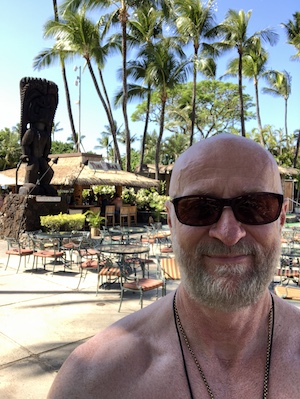
One year ago today I died in a ballistic missile attack on Hawaii launched from North Korea or, in fact, I didn’t. The night before, my flight to Canada is cancelled so the airline put me up in a hotel on the far side of the island. I watch a hula show, drink fluffy topical cocktails and go to bed early. I enjoy my extra evening here, even though I wasn’t planning on being here.

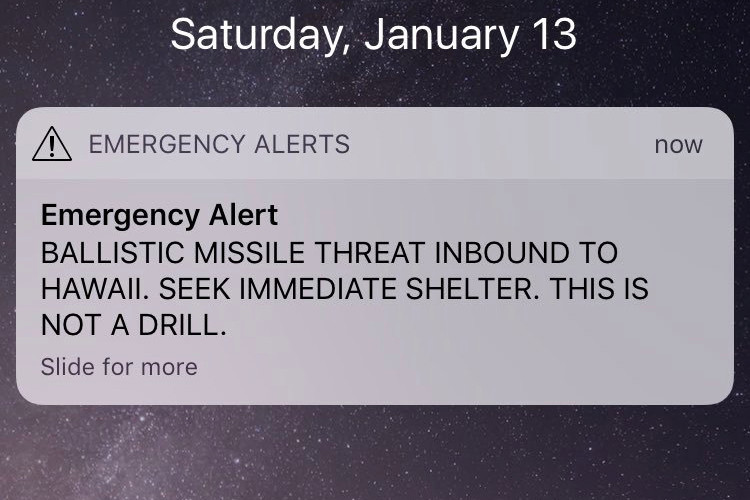
Emergency alert appears on everyone’s smart phones around 8:07 am January 13, 2018.

The next morning I wake under warm blankets, a gentle ocean breeze coming through the opened patio doors. As I lie there thinking about whether I would have an afternoon flight or be staying another day, it happens.

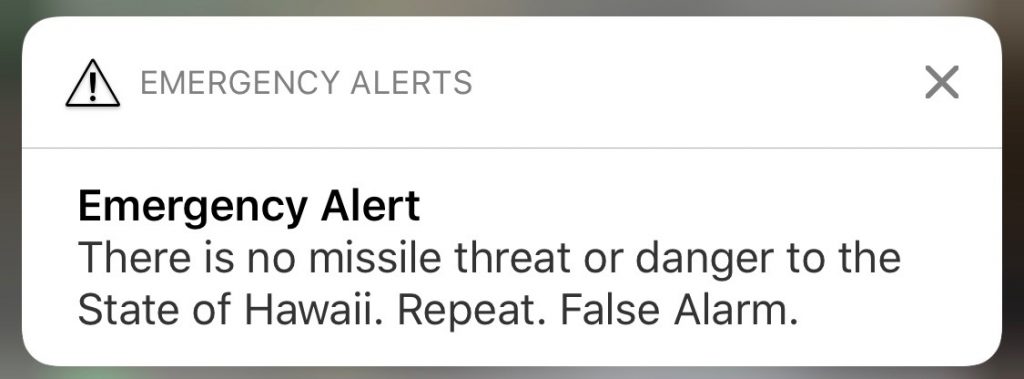
An emergency alert is sent to everyone’s cellphone that we are to seek immediate shelter. My phone is off so I don’t get the message immediately. I can hear a bit of commotion outside and wonder what is going on. I stand on the lanai and watch. All of the usual things are happening. There is some talk about people going to the common room to watch the news. Instead I shower, dress, and walk along the beach. I go for a coffee. About 38 minutes later another message arrives saying it is all a false alarm and I’m not going to die after all.

Emergency Alert arrives 38 minutes later announcing that it was a false alarm.

What a relief, especially if I had known what was going on in the first place. I spend the remainder of the morning enjoying the sunshine, and hanging at the tiki bar. People at the bar are saying ‘it’s a great morning to get bombed.’ It truly is a lovely morning. Beside laughing, no one I encounter is giving the messages much thought. Most are just going about their day like nothing happened, which of course it hasn’t. I fly out that afternoon.

A lovely day after the bomb scare. On my way to the airport with spring in my step.

Today is one year to the day and I’m again on the island. I’m here thinking about the year that has just past and the year about to begin when I return home later this week. Did I make good use of this free year? Are the plans for the new year a good use of my time? Are the changes I’m making enough? What would I do differently if I knew I had only so much time left? These aren’t the kinds of questions that we think about day-to-day, although I wonder if perhaps we really should pay more attention to them.

So, what to do with this gift of a day? I wonder.